Search Results
Search this site
368 results found with an empty search
- The upload won't give you a Better Ride Now. Here's why.
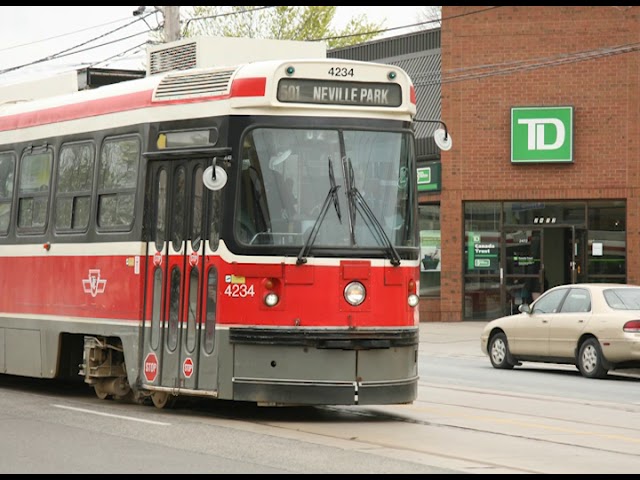
Toronto has reached a critical point in its conversations with the province about the proposed subway upload. Despite what the provincial government and some of my colleagues at Council say, the conversation about transit doesn’t have to be about politics. It has to be about science – that is, the science of how to move people in a densely-populated city. Instead, Toronto received two letters from the province making it very clear this conversation will be deeply political, indeed. After completing an agreed-upon terms of reference for discussion between the two governments and viewing a presentation on the current and future needs of the TTC, the Premier's special advisor wrote a formal letter essentially saying: "Thanks, but we don’t care. We're going to start over and change your planned expansions, some a little and some entirely.” What changed? You can expect to be dazzled in the media with the Premier’s fanciful tales of new subway lines that will spring up by magic. But everything I have learned about transit tells me it will take nothing short of magic to get this done. Changing plans in the middle of the decade it takes to design and engineer a subway means – you guessed it – extensive delays. We discussed these changes for our entire Council session yesterday. There, transit engineers and planners confirmed the following: 1 The province has proposed changing the current Scarborough subway plan to include three stops instead of one. This will add a minimum of three years to a finish date that is already hugging 2030 and likely double its costs. 2 The province wants to change a significant portion of the Eglinton West LRT to be underground instead of above ground, as planned. This will double the engineering time needed (this type of tunneling has never been studied) and the cost will “be significantly more than double,” according to one staff member. 3 The province's proposal for the Downtown Relief Line is the most curious of all. We all know how much the Premier loves subways – but he's changed his tune. Now, we're expected to scrap the subway and replace it with a mysterious "new, free-standing technology." Of course, the technology and cost of this proposal is completely unknown. 4 Finally, the province is proposing that the expansion of Line 1 north to Richmond Hill must be planned in parallel with the secretive new relief line. I have no objection to this, as long as we understand the relief line must open first. Without it, the Yonge Line is in no position to expand and Bloor/Yonge station cannot absorb any new ridership onto its platforms. What does this mean? Such high-stakes conversations between governments can take several months. I can assure you, with my TTC Commissioner hat on, that we have continued to direct TTC staff to advance transit system improvements as much as possible. With 1.7 million trips every day, there can be no slowing down of daily operations while an upload is being discussed with the province. The new transit lines Council has already voted for, namely the Scarborough subway extension and the downtown relief line are continuing as usual – for now. We assumed an upload meant the province would want to build the lines faster. Now it appears they want to redesign it entirely. What will happen now? We've been here before with Doug Ford. We all know his ideas of transit have never aligned with those of experts with proven records of delivering transit projects. He simply parrots the refrain of "Subways, subways, subways!" with no regard for consequence or cost. For this reason, I focused my comments in Council on the state of the transit system we have today. As your Councillor and as a TTC Commissioner, I begged the Mayor and the City Manager to go back to the table and focus the discussion on the system you ride right now. The TTC has been starved of funds since 1995 when Premier Harris removed the partnership funding arrangement put in place by Premier Davis 20 years prior. The TTC needs $33 billion in new vehicles and maintenance work over the next 15 years to keep up with our city's needs. We need to reinstate Premier Davis' funding formula to ensure the system we use now runs well while the expansions are built. We need to tell Premier Ford that uploading our subway won't help – but investing in it will. Because Toronto commuters can't wait any longer. You need a better ride, now.
- Participatory Budgeting: a Budget process we can believe in
This morning, I watched Council members arrive for the Special Meeting of Council to adopt the 2019 City Budget. You and I, dear readers, have already discussed the Budget at length, and I thank those who attended my recent Town Hall on the subject. There is not much more to say other than that the Budget is still not balanced under the fundamentals of accounting, as I know from my years in banking. Let’s agree it's time to move forward with what we have. I’ll be working with my team to apply what the Budget does bestow on our little corner of the City – and I think you'll be a fan. Section 37 In Don Valley North, we're lucky to have another way to invest in our ward beyond the limitations of the City Budget. As a result of rapid growth from development along the Sheppard subway line, we have a reserve of Section 37 funds at our disposal. Here's a great explanation from the Toronto Star about it: "Section 37 (s37) refers to a section of the planning act, which allows for what other cities call “community benefits agreements.” If the owner of a property wants to build something that does not comply with zoning regulations, the owner can agree to provide community benefits in cash or amenities in exchange for approval. These benefits are negotiated by city planning staff and with local councillors in the area where the development will be built. Though the agreements themselves are approved by city council, the use of the funds is largely controlled directly by the local councillor for use in projects inside his or her ward. The purpose of the section in the act is to offset the problems caused by changes to a neighbourhood when different kinds of developments are added to it, such as to compensate for increased traffic, population, or changes to the streetscape new developments bring." How can we use s37 funds? I am very excited to announce that some of these funds can be spent by you through Participatory Budgeting (PB) and a democratic vote. Residents from the former Ward 33 have engaged in Participatory Budgeting for four years now. We take a sum of money set aside from the s37 reserve and we gather local residents to brainstorm ideas for improvements and new features in our ward. This can look like bike lockers at the subway station, exercise equipment in the park, a running track, beautifying our streets and so on – all of which have been accomplished in our ward, by the way. They just have to be capital projects requiring a one-time source of funds. The very popular basketball court at Pleasantview Park was built as a result of PB From there, we connect residents with the right City Staff so they can learn how much their ideas will cost, why they cost what they do and how long it would take to implement them. Over the course of a few meetings, we all work together to come up with a ballot that provides a range of ideas for how to spend the money. Then we promote the ballot ideas all over the neighbourhood and invite every resident, age 14 years and over, to cast a vote on how to spend the money. Residents learned a lot about how our city works over four Participatory Budgeting rounds. I am especially proud of how much the City staff learned, as well – the staff who helped us through the PB process said it taught them a lot what it means to be committed and directly accountable to residents for their delivery, which is a win-win for everyone. Sometimes the smallest winning projects can be the hardest to keep on track, and we saw staff improve delivery in this area significantly. Best of all, we all had tremendous fun. A collage from our first-ever PB process in 2014 PB in Don Valley North This year, the Parkway Forest and Henry Farm communities will have an opportunity to determine how to spend $500,000 set aside for them as a result of the Emerald City development. In the coming weeks, I will be inviting all Don Valley North residents to join us to observe and help execute a round of Participatory Budgeting. Volunteers can lend a hand, meet their neighbours and see how it all works. Next year, we will conduct another round of PB for the area between Leslie and Bayview. It would be fantastic to hold our first PB in the western part of the ward with a few community members who learned through the upcoming Emerald City process. To wet your whistle, I want to share a video from an organization in New York City, Participatory Budgeting Project. They are a not-for-profit agency that helps New York City and Chicago councillors conduct PB processes for $1 million per ward every year. Click the image below the see the video: Click this image to watch a great video describing how PB works I firmly believe Participatory Budgeting can play a crucial role in engaging residents in super-sized wards like Don Valley North. If this is something you're interested in – or even if you're not sure – stay tuned for news about the next round of PB in our ward.
- Accountability breeds response-ability
Source: https://mailchi.mp/toronto/accountability If you've been near any kind of media this week, you'll know there has been a lot of discussion around accountability and integrity in government. It was fitting that my meeting with the TTC Board yesterday was greatly informed by Toronto's Accountability Officers. The City has four Accountability Officers who help ensure our government remains open and transparent. Those Officers are the Integrity Commissioner, the Auditor General, the Lobbyist Registrar and the Ombudsman. The TTC meeting began with a presentation from the Integrity Commissioner, who explained how she can provide comment on the Municipal Conflict of Interest Act to both Councillors and Citizen Board Members. Later, we watched a video on the exhaustive investigation carried out by Toronto's Auditor General (AG) on TTC fare evasions. It turns out revenues lost may total a whopping $65 million in a year – previously, TTC staff estimated it at approximately $20 million. The AG's video on fare evasion. I’ll be writing about the City's crackdown on this in a later e-blast. A brief history Accountability Officers play a vital role in keeping City Hall honest. Toronto became the first Canadian city to employ an independent Auditor General, shortly after the MFP Computer Leasing Scandal came to light (for those of you too young to remember – you can read it about that here). A few years later, a new Mayor and a new Premier – David Miller and Dalton McGuinty – created a unique piece of legislation called The City of Toronto Act. In exchange for certain enhanced powers, Toronto agreed to create our full suite of Accountability Officers. The AG brings savings to the City through reviews of City services, City staff and how public funds are used. Consequently, when the AG requests an increase to their budget so they can conduct more investigations, Council approves it. It’s a different story when the other three officers, who are sometimes called upon to speak about councillors’ actions, come looking for a budget increase. The key players in the MFP Scandal As they have done a number of times since 2010, the Ombudsman, the Integrity Commissioner and the Lobbyist Registrar requested increases in their 2019 budgets due to increased demand for their work. And, as always, they have been denied. These three Accountability Officers have had a rough time getting the resources they need or even the respect they deserve dating back to when Rob Ford became mayor in 2010. A slippery slope This time, their combined request of a $612,000 increase was removed from the City’s Budget by the Budget Chair, Gary Crawford, to make room for his favourite expenses in the arts. Now, don’t get me wrong – I am a firm believer and supporter of public investment in the arts. I have supported initiatives to enhance our service to the arts every year, but this year feels different to me. The Budget that the Chair has proposed is only balanced through artful dodging, and may require Accountability Officers to keep an eye on our future. At my Budget Town Hall this week, I highlighted that we are compromising our 10-year Capital and State of Good Repair Plan by reducing the amount cash we usually set aside for it. Historically, we have maintained discipline and good credit by requiring every division at City Hall to designate 10 per cent of their budget request to their capital repair program. The Budget I have been asked to support this year reduces this designation to 7 per cent, which results in a $46 million loss of investment in capital repairs. When I called this a financial slippery slope, I was talking about the future. To my surprise, Chair Crawford chose to demonstrate just how slippery it is this year. As he wrapped up our Budget Committee’s review, he moved a motion to further increase the arts and slashed all requested increases made by the Accountability Officers, topping it off with slashing another $1.4 million from capital state of good repair funding. Suddenly, an already troubling reduction of investment in repairs has crept up to $47.4 million. Neglecting capital needs will cost us all – drive down any road in the city and you’ll agree it already is. My view In order to serve over 3 million people, Toronto needs to be maintained with constant renewals and repairs. Now that councillors represent 25 huge jurisdictions, we need scrutiny and accountability more than ever. Unless there are some last-minute changes to the Budget made before it is finalized on March 7th, I cannot support it. My detractors on Council will say I am not supporting this Budget simply because I don't want to save money. On the contrary – it is precisely because I want to save money that I will vote against it. I want to be held to account. I want to be on the record as having fought for our City's future. And I want to be found to have stood for savings that are real, not notional, and achieved through prudent investments that guarantee deeper savings over the long haul.
- For your consideration: a review of development in Don Valley North
Source: https://mailchi.mp/toronto/development-in-dvn Last week, we talked about the municipal planning process and how it's changing. There was a huge sigh of relief last year when the Ontario Municipal Board (OMB) was phased out by the provincial government. To refresh your memory: the OMB was an independent tribunal which heard appeals on municipal planning disputes. The OMB was heavily criticized because of its power to conduct de novo hearings. Those of you who took Latin in school know de novo means "a second time; afresh." This means City Council could vote to oppose a development but the OMB had the power to throw out that decision and hear a developer's appeal afresh – with little to no regard for Council or community members’ objections. The OMB was heavily criticized for not serving public interest Luckily, the OMB's replacement, the Local Planning Appeals Tribunal (LPAT), does not conduct de novo hearings. It must consider both the opinions of City Council and community members. If the LPAT decides a developer's appeal is legitimate, the course of action is to have the developer, community and City come to a mutual settlement. This change in scope has led to some confusion. Many developers with active applications at the time of the change from OMB to LPAT have had to navigate a murky and rushed process. Some of the applications affected are in our own ward – let's take a look. Bayview Village Mall Starting in the west side of the ward, we have the large application at Bayview Village Mall. There are rumours in the community that the City and the developer have reached a final settlement agreement on what shape the development will take and no one will be allowed to know what it is. That is not the case. The applicant (QuadReal) and the City must present a settlement in an appeal hearing, and both parties are discussing what would get them to that point. They have not shown us a finished product simply because they don't have one yet. Before the finished product can be adopted, the settlement report will have to be presented to City Council. When the settlement is presented at LPAT, the Bayview Village Association and the Bayview Sheppard Neighbourhood Alliance will get to voice their thoughts on the settlement. Bayview Village Mall today As your local councillor, I will look at any settlement in the context of the concerns I’ve heard from you, from community groups and the notes City Planning took from the community working group process they conducted last year. I’m in no rush, but future hearing dates chosen by the LPAT may require me to gather any additional community opinions on a last minute basis. I'll keep you posted. Canadian Tire Lands In the area surrounding Leslie subway station, dubbed the Canadian Tire Lands, are many major projects that were approved long ago. When years pass before an approved project proceeds, the developer often comes back to request changes before applying for building permits. Such is the case with the Canadian Tire Lands. For example, when the master plan for the Canadian Tire Lands was approved almost 20 years ago, there was talk about re-aligning the Oriole GO Station to connect to the subway, but the station design wasn’t complete. Now that it is, there is reason to have another look at that idea. City Planners have the right to determine the level of approval needed. Minor variances, such as changing the entrance to a building, might not require community consultation. If Planners decide a developer is asking for a major variance, such as adding more units or another building entirely, a whole new planning process, complete with full community consultation, will be required. We will hear soon whether any major variances are required here. 2450 Victoria Park On the eastern edge of the ward is a massive application at Victoria Park and Consumers Road, known as 2450 Victoria Park. In this case, the developer appealed to the OMB before the final report was even presented to City Council. Early hearings on the application have been held, and now that the LPAT is in place there has been an effort to keep all sides working together until a reasonable proposal is agreed on. The application still contains a 44-storey building on the site, so we haven't quite reached "reasonable" yet. City Planning staff will continue to argue that 2450 Victoria Park, in its current form, is not suitable for the area and does not align with the master plan for the whole Consumers Road business park. Victoria Park Avenue looking west down Consumers Road To prove they're not ready to settle, City Planning staff presented a report called a Request for Direction to North York Community Council last week. The report asked Council to officially direct City Planning and Legal staff to continue opposing the application until the appropriate changes are made. This also serves as a signal to LPAT that they should demand all parties keep working towards a mutual settlement. Coming up These are just the major sites in the works at the moment, but you can see each one requires a very involved process with the layering of unique considerations. Next week, I'll return to discussing current issues with an added element: Ryan Lo from my team will begin contributing a brief section dedicated to planning updates in Don Valley North. That way, you can stay informed and know where to look for the latest news from City Planning.
- All about proposals...the development kind, that is.
Source: https://mailchi.mp/toronto/city-planning-101?e=350984efda There will be a lot of discussion about planning and development in these e-blasts throughout 2019. We are back in another development application boom, the likes of which we haven’t seen since just before the Global Financial Crisis. To prepare for these discussions, I'd like to provide you with a Planning 101 lesson. This would be a great topic to discuss with your Valentine tonight – just ask if they'd be interested in talking about proposals! The city's role The first thing to remember about planning and development is that every city in Ontario is a "creature of the province." This means our provincial government determines how Toronto governs and which provincial planning rules it must follow when considering development applications. City governments are allowed to create their own plans for growth and development, but these plans must be submitted and approved by the province. Keep in mind that our province's goal since the beginning of this millennium has been to figure out how to accommodate the doubling of the GTA's population. That may give you an idea of how Toronto's City Planners feel every time another large development application is submitted. Planners know that increasing the density in a neighbourhood is stressful, but they also must consider proposals fairly as well as the provincial context. The process Anyone who owns land can apply, through their local City Planning office, to change their property. If you have a single-family home and just want to renovate and add to the home, you will go through a faster and less political process. Planning staff would review the application and put it before a citizen-appointed committee called the "Committee of Adjustment." However, our biggest concern in Don Valley North is the many multi-residential applications we face. These applications go through much lengthier processes and then go to City Council for political approval. If the applicant isn't happy with Council's decision, they have the option of appealing through a provincial body known as the Local Planning Appeals Tribunal (LPAT). The rules But let’s slow down and look at these multi-residential proposals step-by-step. Often, when an application is first proposed, residents will ask me: "This is already a done deal, right?" However, at that stage it isn't – there is a long process to meet all the rules that apply. Impact on our Ward You'll note I said "in a normal process." The process changed since the LPAT replaced the Ontario Municipal Board (OMB) just last year. The LPAT has very different rules, some of which favour local City Councils and communities. Other changes are just beginning to be understood by planning and legal experts as the first few months of appeals go through the tribunals. Two local examples of how these changes have affected our ward is the proposal at Bayview Village Mall and the large application at 2450 Victoria Park Avenue, which I discussed in an earlier e-blast here. Decisions will need to be made on these projects before they are heard by the LPAT later this spring. At the moment we are working with planners to determine when we can meet again with the community on these applications – I will discuss them with you in more detail next week and include an update on other applications across our ward. Stay tuned!
- Toronto's Budget is veering off course. Here's how to save it.
Source: https://mailchi.mp/toronto/how-to-save-the-budget Back in the summer of 2008, I was invited to Brisbane, Australia. The Local Government Association of Queensland (LGAQ) had recently instigated an amalgamation of Queensland's local governments, and ordered every municipality to submit long-term community and financial plans. Suffice to say, the municipalities were not happy about it — so the LGAQ flew me Down Under to tell Toronto’s post-amalgamation financial story. The cost of a megacity When an operation as large as Metro Toronto is amalgamated and downsized, the task at hand is so overwhelming that all individual plans fall away while the City scrambles to figure it out. A lot of capital infrastructure work was deferred for three years, no new projects such as renovating facilities or building new ones happened and state of good repair backlog wasn’t even inventoried, let alone addressed. The amalgamation of the six cities that formed the old Metro Toronto into one large "megacity" was met with a series of mass protests back in the late 1990s The dust settled from the 1998 amalgamation at about the time I was first elected to Council in 2003. It was clear the brand-new City needed to restore its financial discipline with a five-year capital plan and a long-term (10 to 20-year) financial plan. The councillors and staff before us had laid some groundwork and dealt with major crises. Now, it was time to build a strong plan with permanence. Terms like "long-term financial planning" sound comforting, but the work to create that plan is controversial. It requires meticulous inventorying of everything that needs attention and where expansion will be needed in services, facilities and vehicles. Then, if the plan has any chance of succeeding, you must be dead honest about what it will cost. Toronto Council did just that when it adopted its first long-term plan with real costs attached, and most were elected to another term to implement it. That’s how I found myself in balmy Brisbane. Toronto: a case study The LGAQ were looking around the globe for case studies to learn from, and found Toronto was a prime example. Controversy was abound because Toronto politicians were being honest about the real cost of operating a megacity. We ordered new transit vehicles, grew and built necessary facilities and services such as libraries, childcare spaces and community centres — all of which you continue to use to this day. Most of it was possible because a very thorough and disciplined plan attracts the partnership and funding of other governments. The Toronto Reference Library was merged with the other library boards of Toronto post-amalgamation Planning and discipline has helped us for a while — there are gaps, of course, but we have come a long way. But after a week of presentations from City staff on the 2019 Budget and some deep discussion, I am very concerned we are jeopardizing our long-term goals for Toronto. The fine print There are no headline-grabbing cuts such as closing a community pool, slashing a breakfast program or laying off garbage collectors. The issue is that the City's main strategy for filling the gap left by depleting Municipal Land Transfer Tax revenues is to defer capital infrastructure work across as many divisions you can name. For example, the revised 10-year capital plan for Transportation Services — which I am being asked to vote for — will leave us with $3 billion in urgently-needed road repairs. After two years of committing added funding to the Toronto Community Housing Corporation to repair and re-open closed housing units, this year’s revised long-term plan rolls back on that commitment, with no funding planned after 2020. TCHC staff estimate they will have to begin closing units again by 2021. In the fine print of the Parks and Recreation capital budget, we discovered the amount set aside for their trails, pathways and bridges will be reduced this year, then flatlined for the next 10 years. As a result, 100 per cent of trails, pathways and bridges in Toronto’s parks will be in various states of disrepair, ranging from compromised to catastrophic. Food for thought I know this sounds bad — but don’t despair. The final vote on the Budget will be on March 7th, and we can make the decision to stay on course without doubling your property tax bill. Currently, Toronto’s debt per capital ratio is low, relative to large cities like ours. This means that if the City’s entire debt were suddenly called in and residents had to pay every loan, the cost per household would be less than $2000. That’s half that of New York City and a third of Chicago's. This means Toronto has a little more room to fix what’s needed and build what a growing city needs. An apt sign along the Don Valley Trail The alternative is a gradual increase in taxation. Mayor Tory has promised to keep this at the rate of inflation, but consider this: if inflation is 2.5 per cent and you added an extra 1 per cent to that for the next three years, you could avoid another TTC fare increase, keep debt stable and keep our long-term community and financial goals on track. It would cost the average property tax payer an additional $30 a year for three years. Please give this some thought, and consider coming to my Budget Town Hall this Tuesday to discuss with myself and your fellow residents of Don Valley North. Details are in the poster below — I'll see you there.
- What your driveway has to do with the City's Budget
On Monday morning, Mayor Tory and the Budget Chief, Councillor Crawford, launched the proposed City Budget for 2019 with an inflationary property tax increase of 2.5 per cent. Then it started to snow…and snow, and snow and snow. By Tuesday morning, the Budget was no longer in the news and our office phones were ringing off the hook with complaints about snow plowing and windrow clearing — or the lack thereof. What no one was doing was connecting the dots between the City’s Budget and the City’s ability to deal with your windrow (the snow piles left by plows at the end of your driveway). Buried in every Budget are lists of what we call "service levels." Service levels outline the services the City delivers and what to expect from them, such as snow clearing and garbage collection. Councillors adopt those service levels along with the dollar amount it costs to deliver. This is just another way of saying that the Budget has a huge impact on even the most minute parts of your life — and it goes well beyond what your property tax bill will be. Windrow clearing is a great example. A brief history North York is proud to have started the practice of machine windrow clearing. The service began when a North York Works Commissioner lost his best friend to a heart attack when the poor fellow was struggling to clear ice and snow from his wide suburban driveway. The commissioner was inspired to invent a plowing attachment to cut and clear these windrows, and Mayor Lastman was happy to fund having windrow cutters follow snow plows on neighbourhood routes. When Toronto was amalgamated in the 90's, windrow clearing became controversial. It can’t be done in the downtown core because cars have permits to park on the street overnight. The former municipalities of Etobicoke and Scarborough hadn’t yet adopted the service even though they wanted it. After much debate, it was determined that downtown Toronto will get other types of service enhancements and windrow clearing would be extended throughout Scarborough, Etobicoke and continue in North York. Budgeted Service Levels So, why isn’t this service still happening as it should? Why do plows arrive within hours of snowfall but windrows remain blocked for days? The answer is Budgeted Service Levels. In order to keep budgets low and property taxes down, the Mayor and Council ask each department of the City to deliver the same services year after year on top of absorbing the impacts of inflation — without adding funding. It is not possible to do this forever, because it means eventually service will have to be reduced. That's what has happened in transportation. Snow removal is entirely contracted out, so the City's transportation department is able to tweak the terms of service levels, often without Council noticing. Having a contracted service also means a reduced Budget won't result in any layoffs of City staff that would jump off the page. Instead, there’s just a slight reduction in the cost of the outside contract. But when the costs of a contracted service are reduced, the service gets poorer. In all fairness, City staff take these actions only because they are trying to meet the stringent budget targets the Mayor and Council have set. The windrow clearing reduction, however, is a false economy. Now, because of this reduction in service, the new expectation for windrow clearing is 72 hours after a snowfall instead of just a couple of hours. This results in staff at 311, the transportation department and many City Councillors' office being overwhelmed with complaints from residents. Having to send out plows to address those complaints ends up being much more expensive than simply having the services integrated. I will be raising this matter as Budget discussions progress — the effects of climate change mean we can expect weather events like this to happen more often, so we need to address these discrepancies as quickly as possible. In the meantime, it's important to keep an eye on your neighbours and help each other with tasks like driveway clearing if you're able. No one has eyes on your community like your own neighbours do, which is invaluable during big storms like the one we just experienced. Have your say The Budget matters. We must start connecting the dots between budgets, TTC fare increases, services, repairs and taxes. We have to understand that insisting on a bare-bones Budget will impact the services you expect. That's why I will be holding my first Budget Town Hall in this new, bigger ward on February 15th. I want to make sure everyone understands how the Budget works and how we are really starting to see services crash up against our goals and wishes for life in our City. I need to see you at this Town Hall so you can make it clear what service levels you want in Don Valley North. That way, I can truly be your voice when it's time to vote on the final Budget on March 7th. Details about the Town Hall are below — I'll see you there.
- What's in a name?
First, a note about last week's e-blast: I’m still learning about the “new” part of the ward I represent, with city staff dropping by the office almost every day to brief my team and I. And I’m learning even more as I go out to meet residents in evening meetings, constituency days, in schools and community events. During my campaign last summer, I had a hunch that the “old” and “new” parts would have a great deal in common, and I was right. We are dealing with changing attitudes about driving and traffic on local streets across Don Valley North. In last week’s e-blast about dangerous driving, I mentioned a traffic study for Pineway Blvd. Right away, our office received responses from residents asking “what about our street?” Rest assured, my team and I are working across the map. The Pineway study just happened to be the first completed study we received this year. Keep your suggestions coming and we will get to your area, too. My many briefings on planning matters across Don Valley North have made it clear we are also absorbing the impact of growth everywhere across the ward. There is a lot happening that I will consult with you on, but for the projects that have already been awarded approvals, I still need your input for a very important part — the name. This road near Sheppard and Don Mills was named after Helen "Mama" Lu, a tireless advocate who dedicated 40 years of her life to community work in North York. What's in a name? In the coming months, we will be asked to propose names for a few new streets and parklands. I believe this offers the perfect opportunity for us to honour Don Valley North’s unique history, particularly its Indigenous beginnings. By now I’m sure you have been at a public gathering where the City of Toronto Land Acknowledgement was read: "We acknowledge the land we are meeting on is the traditional territory of many nations including the Mississaugas of the Credit, the Anishnabeg, the Chippewa, the Haudenosaunee and the Wendat peoples and is now home to many diverse First Nations, Inuit and Métis peoples. We also acknowledge that Toronto is covered by Treaty 13 with the Mississaugas of the Credit." The Land Acknowledgement is a small, but important way to recognize the enduring presence of Indigenous peoples in Toronto. But, I wonder — would you agree that we should use upcoming naming opportunities to permanently honour the Indigenous communities who were the first to call the Don River Valley home? In fact, human settlement around the River goes back as far as 7,000 years ago. The Indigenous groups who called the Don Valley home were drawn by the value of the waterway. There is even evidence that pottery was made from the rivers' clay deposits, and — long before condos — Wendat longhouse villages were developed along the river starting in 1300. A depiction of a Wendat longhouse village The North York Historical Society and the North York Preservation Panel are excellent resources for us. Following the Truth and Reconciliation Recommendations, these organizations are keenly aware of their responsibility to point us in the appropriate direction to honour our Indigenous origins through naming opportunities. Some of you will know that a long-time member and chair of those organizations, Edith Geduld, lives right here in Don Valley North. As I mentioned, I need your input. Should we begin gathering a list of prospective names? We would need examples that balance honouring the peoples of our traditional territories with other important community figures along the way. Email, call or make an appointment to meet with us. I would love to hear your thoughts.
- Cracking down on dangerous driving
This week at City Hall, we saw the first round of Standing Committee meetings and took a day to hold our Community Councils in Scarborough, North York, Etobicoke and downtown Toronto. Judging by Community Council agendas, regular announcements by Mayor Tory and in community policing, it seems that 2019 is all about Vision Zero Toronto. Vision Zero has been around since 1997, when the Swedish government adopted its plan to reduce traffic-related deaths to zero. They had seen a steady rise in such fatalities since 1980, even as the number of people choosing to travel by transit or bicycle was increasing. Toronto Council adopted its own Vision Zero plan in 2017. It recommends 50 different actions and initiatives to implement across the City over five years. Toronto usually has a bad habit of developing great strategies but under-funding them when it's time to deliver – but that's not the case with Vision Zero. When pedestrian deaths spiked, Council committed to ramp up funding in the 2019 budget. The province also just introduced heavier fines for distracted driving, which is a perfect complement to our Vision Zero initiatives. It's why you've been seeing the Mayor and Toronto Police on the news warning you to put down your phone or lipstick when driving, or you will suffer stiff fines. Many of you will be glad to know that Tuesday morning’s Community Councils included many Vision Zero-complementary traffic recommendations, alongside all the planning and development items that have been waiting in the queue for discussion since election season. In North York Community Council, we adopted a number of speed limit reductions on local roads. Vision Zero research from around the world shows that while accidents may happen, lower speed collisions do much less harm. None of the speed limit reductions at this month’s meeting were in Don Valley North, but they're coming. You'll recall from an earlier e-blast that we requested traffic and speed studies in our ward on behalf of concerned residents. One of the requests has just been carried out on Pineway Blvd., between Cummer and Finch Avenue. The results of that study were conclusive – this neighbourhood shortcut is growing in popularity, and it qualifies for speed reduction to keep the students of Pineway Public School safe. At the next North York Community Council, I’ll be seeking authorization to conduct a local poll about Pineway Blvd. A speed limit reduction to 30 km can happen quickly, but City staff must conduct a poll to determine whether to install traffic calming measures like speed humps, as well. But there is an interesting thing to consider: all speed hump installations must be accompanied by a 30 km speed limit. Sometimes the speed reduction is implemented months before the concrete speed humps, and when it's time to install them we find that the problem was already addressed by speed reduction alone. This very well may end up being the case for Pineway. There were more than 60 fatal crashes on Toronto roads in 2018, and more than 40 pedestrians and cyclists were killed. Just this week, a homeless woman in downtown Toronto and a man crossing the street in North York were killed in collisions. We cannot have a repeat of last year's record number of fatalities, and that's why I support this crackdown on distracted driving to change behaviour in the long term.
- A waterfront for all - including the suburbs
There has been a flurry of discussion this week about Ontario Place in the media. I spoke about it in my social media interactions and didn't think much about it. But then, my office started getting a few calls and emails from concerned residents of Don Valley North about the future of our waterfront. I was reminded that the waterfront really does belong to every Torontonian – including those of us in the suburbs. There is a growing concern about what the province may have in store for the future of Ontario Place. After all, it is 100 per cent provincially-owned piece of real estate. What happens with it may never need to come to City Council; however, if the new Board appointed by the current provincial government proposes a controversial or unpopular "re-purposing" of Ontario Place, I have no doubt you will not stop at calling or writing your MPP. You will expect your Mayor and Councillors to advocate on behalf of Toronto and its residents' wishes. My recommendation to my followers on social media was to just go and see what is happening at Ontario Place right now – it's not in a state of "complete disrepair." Until we began discussing it, few knew that the glorious Cinesphere had re-opened and is regularly screening great family films. Lots of people know about the Winter Lights Exhibition but have never visited, despite our relatively mild winter this season. So, if the discussion is coming, it must be a well-informed, city-wide discussion. The Winter Lights Exhibition at Ontario Place. I highly recommend checking it out. It's only when you start traveling east of Ontario Place that you find yourself on the real intergovernmental minefield. It’s a crazy patchwork of underutilized land governed under a variety of different ownership and authorities. Under the stewardship of an organization called Waterfront Toronto, many improvements have been made, but there's also the crucial matter of determining the waterfront's funding future – the full revitalization is estimated to cost $17 billion to complete. However, there is a project that, if successful, could dwarf all progress made so far. Earlier this week, my team and I received an informal presentation on the potential of a project called Sidewalk Toronto. This is the waterfront revitalization proposal that has been in the media recently for the controversy surrounding the relationship between Sidewalk Labs and Alphabet Inc., the parent company of Google. We learned there has been a lot of work done to address concerns about data collection. We also learned there is still a tremendous amount of work to be done before the project can begin – but the concept has the potential to change the way we think about urban planning. Sidewalk Toronto would generate a vast number of affordable housing units in mixed settings, pilot innovation in transit and traffic planning and generate significant job creation across many sectors. Located just southeast of Downtown Toronto, the Eastern Waterfront contains more than 325 hectares (800 acres) of land subject to future revitalization, including Quayside (shown) and the Port Lands. Although Sidewalk Toronto is a long way off, I will, as your councillor, be asked to cast votes on proceeding with the project as it reaches certain stages. Lots of consultation has already taken place, but it has always been with residents who live near the site. I believe we in Don Valley North deserve to have a say. After all, this is our waterfront, too. I would love to know if you think something as massive as the illustration above – 325 hectares (800 acres) of prime lake-front land – should be consulted on in a suburban community like ours. I hope you will consider contacting my team to let them know if you would be interested in attending a presentation and discussion on Sidewalk Toronto. This project could change a significant part of our city, but it also has the potential to generate better models of absorbing growth that we could learn from in our own growing community.
- Reflecting on a whirlwind year
It's safe to say 2018 has been a whirlwind year. It's been both incredibly challenging and rewarding, and I have so much to be thankful for. At the moment, I am especially thankful for our healthcare system and workers – everyone from the fantastic paramedics, ER nurses and doctors, specialists and technicians, porters, food servers and the hundreds of volunteers who make hospitals as much like home at Christmas as they can. My 91-year-old Dad, Jack Baskerville, became very ill last week and has been in hospital. I am spending as much time with him as I can, and he often asks: "How much is all of this costing?" Of course, he is remembering a time before urgent care became free. He made me realize how lucky I am to be living in this time, despite how uncertain things may feel at times. Last week's votes I was also grateful to my colleagues last week when I was in the hospital with my Dad and missed the Council session. I supported their positions on key matters I know you are concerned about, such as the decision to enter discussions with the provincial government about the TTC upload. It is important to note that vote was not about agreeing to an upload – in fact, Council made it clear they are fundamentally opposed to it – rather, it was about setting terms before agreeing to an information exchange process between the Province and the City on the alignment of transit responsibilities. It is also critically important that we not let ourselves be dazzled by the promise of new transit lines being built through an upload – the devil will be in the details. There has been so much focus on which subway lines should be built first that many politicians have lost sight of their responsibility for our current system and the price tag to keep it running. I believe if we clearly educate the government on the operating burden that currently exists, that upload may not happen for a long time. My Council colleagues also took the best option when they opted in to having legal cannabis stores in Toronto, with strict conditions. I know how concerned many of you are about this decision, but Council had a tough choice to make. Ultimately, Premier Ford has the legal authority to open stores anyway if every city in Ontario decides to opt out. Opting in allows us to continue working with the province to understand the need for local controls over locations and licensing. And, as Toronto’s Medical Officer of Health pointed out, the most urgent need is to reduce the very dangerous black market our kids are exposed to every day. The law enforcement dollars provided to cities that opt in are crucial to achieving this. Goals for 2019 I am especially thankful for my new Don Valley North ward team. Tom Gleason, Dan Fox, Ani Dergalstanian, Mustapha Khamissa and Ishrath Velshi have only a few weeks at City Hall under their belts but are already working hard to serve you. We will be joined by two more team members in the New Year to work on your hundreds of requests and plan a busy calendar of engagement with you in 2019. In that vein, recently a reporter from the CBC asked me what my New Year's Resolution is. I told her I am determined to build a model of engagement in Don Valley North that is truly participatory in order to counteract the reduced representation you now have. I believe this is our opportunity to make the best with the hand we've been dealt – it may sound corny, but it's true. With over 100,000 people in every ward, there are a lot of decisions to make. We will be designing many opportunities for you to get to know the whole Don Valley North team and take an active role in decision-making. Snowier times at Oriole Lodge in Henry Farm. This is the former home of George S. Henry, the 10th Premier of Ontario. I captured this picture on Boxing Day last year. Season's greetings Right now, the weather is warmer and rainier than average for this time of year – not very Christmas-y, but if we cross our fingers we may get some snow at the last minute. If we do get snow over the holidays and you have any frustrations, remember that 311 is available 24/7 (another hard-working group of people to be thankful for). My team will also be monitoring any concerns you may have over the holidays. Lastly – I haven't forgotten – I am thankful for you, the residents of Don Valley North. My team and I have knocked on tens of thousands of doors this year, meeting many new people and revisiting many old friends. We have learned so much about you and the unique challenges you face, and I plan to continue these doorway conversations through regular neighbourhood canvassing. I am incredibly honoured you chose me to serve you –we have a lot of work to do over the next four years, and I look forward to doing it together. From my family to yours, I'd like to wish you a joyous holiday season and a healthy, prosperous New Year.
- Toronto's new housing plan: what you need to know
Last week, Councillor Carroll joined Mayor Tory and four other councillors to announce the City's new housing initiative dubbed "Housing Now." Housing Now is a plan to use surplus, city-owned land to develop affordable housing and mixed-income communities. These are large stretches of public land no longer needed by the City, posing a perfect opportunity to optimize it for housing. The program may be new, but the concept isn't – using public lands to build housing is a well-known strategy that has been used in cities such as London, New York, Vancouver and Montreal to build strong communities with quality, affordable housing. This is a major step that will create thousands of different types of housing to meet demand – but it is only the start of a lengthy process. To get the ball rolling, City Staff identified 11 properties as potential sites for the program. One of the sites is in our ward at 251 Esther Shiner Boulevard. This is a pivotal area in our riding, just steps from the Leslie subway and Oriole GO stations, and directly across the street from North York General Hospital. Mayor Tory speaking to media about the Housing Now initiative last week Affordable vs Social Housing Before I get into more detail about the site itself, it's important to identify what is meant by affordable housing. The terms "affordable housing" and "social housing" are often used interchangeably – but they are not the same thing. Affordable housing is officially defined as anything that is at or below average market rent. While average market rent is arguably not remotely affordable for most Torontonians, many projects set up to include affordable housing require builders to provide a range from affordable meaning average, all the way to ‘deeply affordable’ which can be quite a bit below average. Social housing is specifically housing that is subsidized by a level of government, such as Toronto Community Housing (TCH). Here the rent is subsidized according to the income of the tenant. If the tenant gets a job, they may stay but the rent subsidy is reduced as the tenant’s income grows. While we have two TCH social housing revitalization projects underway in our ward at Allenbury Gardens and the Villaways, that is not what is being proposed for the site at Esther Shiner. Affordable housing guarantees rents for all sorts of fully employed workers such as personal support workers, secretaries and even such middle-class jobs as nurses. In the current market, even these Torontonians struggle to live and work in the same city. Housing Now targets exactly this demographic. Vision A key focus of this past municipal election was the demand for affordable housing in our city, and Don Valley North is no exception. As one of Toronto's fastest growing communities, we hear from residents regularly about the urgent need for connected, affordable housing located along transit lines. The space at Esther Shiner ticks all those boxes – it's an 8.5-acre lot close to transit and a hospital that is a huge local employer looking to expand. The 8.5-acre surplus land at 251 Esther Shiner Blvd. While specific details about the plans for this site will not be proposed for a few months, the opportunity here is clear. Councillor Carroll will advocate strongly for a partnership with North York General Hospital. We all want to see a community that is close to transit, employment, strong services, shopping for the hardest working families but Councillor Carroll has also told the Mayor that she is hoping for a component of this project to be dedicated to helping our local hospital improve its capacity to serve us. It is understood that even Affordable Housing applicants to go through the same detailed process of approval with our Chief City Planner so that our standards for built form and accompanying infrastructure requirements are not compromised. What's next Thankfully, the rest of City Council is on board with Housing Now. Today, Council voted unanimously to request that City Staff expedite their action plan for this initiative. Staff will also urgently meet with federal and provincial government officials as well as private and not-for-profit housing organizations to discuss how to fund the program. There is an extensive amount of work to be done on this plan before we see shovels in the ground. Rest assured, Councillor Carroll and our team will not keep you in the dark - there will be ongoing public engagement and consultation throughout the entire process, and we will keep you updated every step of the way. During the municipal campaign we heard from many residents about their vision for our community. Housing Now is a step in the right direction to build successful, connected and affordable neighbourhoods in Don Valley North and across Toronto.